
.svg)
Trapanese busiate: history and secrets of the hand-rolled pasta
A metal rod, semolina, and water: for centuries in the Trapani area, this is how pasta has been rolled. The history of busiate—and the sauces that deserve them.
If couscous is the Arab soul of Trapani cuisine, busiate trapanesi are its rustic heart: fresh semolina and water pasta that, for centuries, has been hand-rolled around a metal rod throughout the province of Trapani. A shape that is only simple in appearance—that elongated spiral is a perfect little machine for holding onto sauce—and a history worth knowing before you order them. We’ll tell you about it from the perspective of chefs, with the advantage of those who serve busiate to the dining room every day.
Where the name (and shape) comes from
The name comes from "buso," the thin rod around which the pasta is shaped: it wasn't originally a knitting needle, but the dried stem of a local grass called "disa," which grew—and still grows—wild in the Sicilian countryside. The technique remains the same: a strip of dough is rolled around the buso by sliding it across a wooden board with the palm of the hand, then it is slipped off, leaving that characteristic hollow, elastic, and perfectly textured spiral.
The dough is the essence of simplicity: re-milled durum wheat semolina and water, no eggs. It is the quintessential Sicilian wheat pasta, and today it is not uncommon to find it made with the island's ancient grains, such as tumminia and russello, which give it a fragrant aroma and a deeper, amber color.
The perfect match: pesto alla trapanese
Ask anyone in the province how to dress busiate and there will be only one answer: with pesto alla trapanese. Fresh tomatoes, almonds, garlic, basil, oil, and pecorino, all crushed raw. Legend has it that the idea arrived by sea with Genoese sailors stopping in Trapani, and that their garlic and basil sauce was reinterpreted with what the island had to offer—tomatoes and, of course, almonds. In some parts of the province, it is still known by local names, such as "matarocco" in the Marsala area.
It is the dish that best tells the story of the intersection of worlds in this cuisine—we also talk about it in our guide to traditional Trapani cuisine — and on our menu, it lives on in our version with almonds and eggplant.
Busiate and the sea
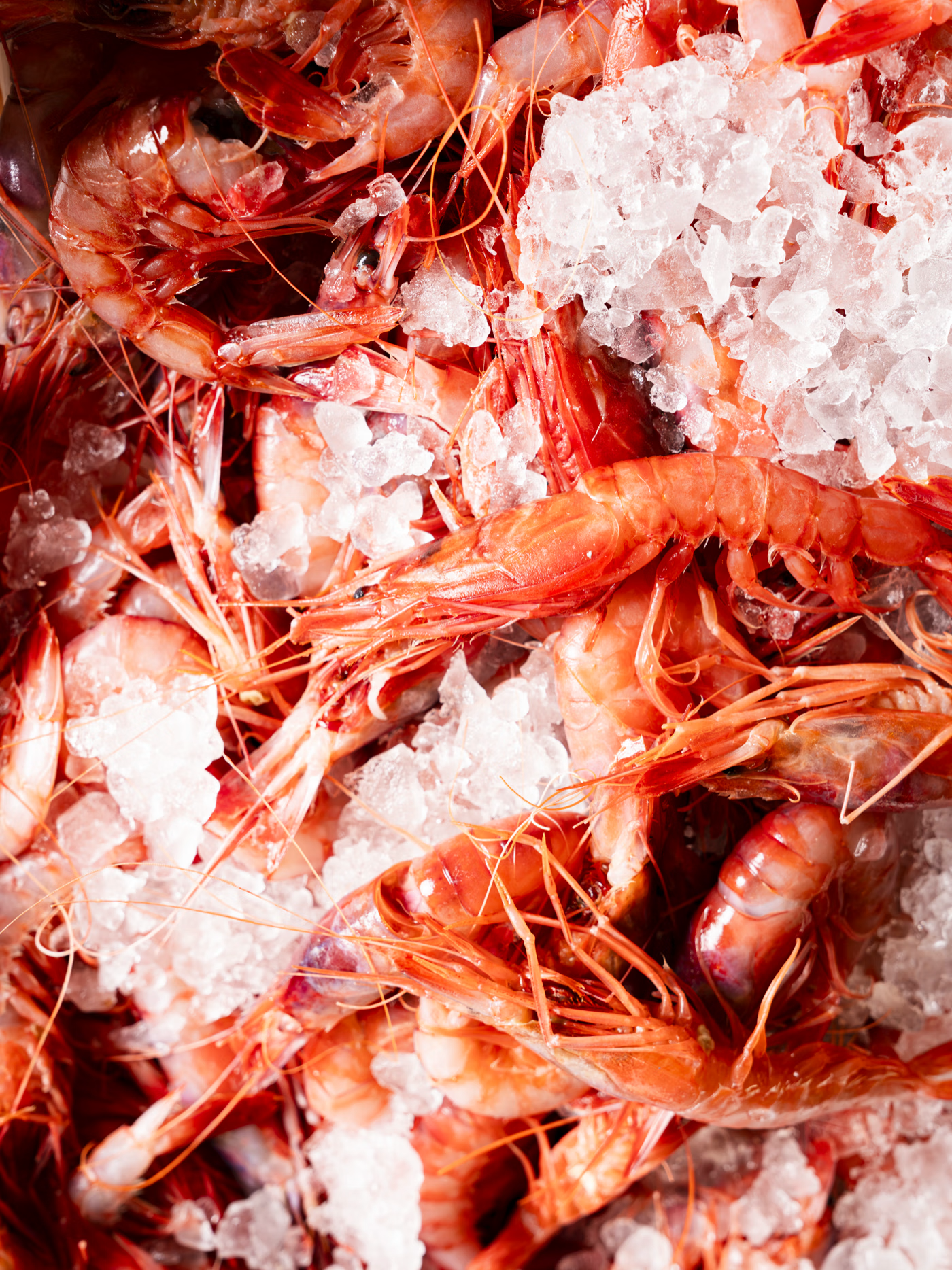
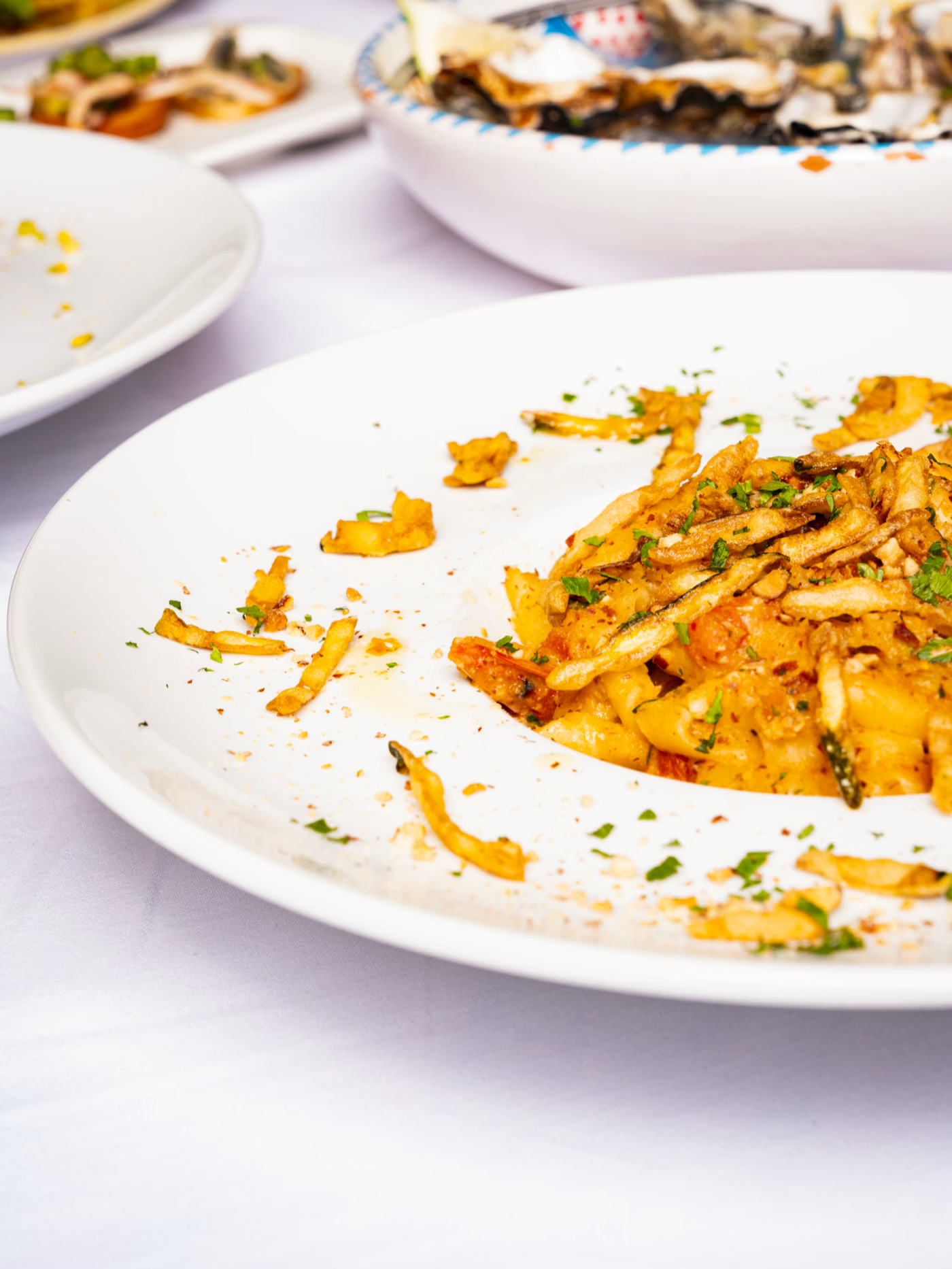
In the Trapani area, however, the busiata didn't stop at pesto: its spiral was born to hold sauces, and the sauces around here smell of the sea. On the menu at Egesta Mare, busiate have many lives: with swordfish, shrimp, zucchini, and cherry tomatoes; with gulf-style seafood; with gulf shrimp and sea urchin; and in our "Crimiso," a traditional Sicilian dish. To each their own spiral: the beauty of this pasta is that it holds up to the raw tomato of the pesto just as well as a rich seafood sauce without losing its character.
How to recognize a well-made busiata
Three signs. First: the texture—true semolina busiata remains al dente with an elastic chewiness that egg pasta doesn't have. Second: the spiral—it must be open enough to collect the sauce, and with every forkful, the sauce should get inside the pasta, not just on top. Third: the roughness—the slightly porous surface from being handmade, which is what the sauce clings to. If your busiate arrive shiny, slippery, and all identical, you might want to ask a few questions.
Frequently Asked Questions
What are busiate?A fresh pasta typical of the province of Trapani, made from durum wheat semolina and water, hand-rolled around a thin rod to create their characteristic elongated spiral shape.
Why are they called that?From the "buso," the rod around which they are shaped: originally, this was the dried stem of the disa, a wild Sicilian grass.
What is the traditional sauce for busiate?Pesto alla trapanese—fresh tomatoes, almonds, garlic, basil, olive oil, and pecorino cheese. However, in the Trapani area, seafood versions are also a staple, ranging from mixed seafood to shrimp with sea urchin.
Do busiate contain eggs?No: the traditional recipe calls only for re-milled durum wheat semolina and water.
Busiate can only be explained up to a point: after that, you just have to eat them. You can find them on our menu in four versions, from pesto trapanese to Gulf shrimp with sea urchin—and if you want a refresher on the province's other icon first, here is the history of couscous in Sicily. To book a table: +39 0924 30409 or WhatsApp +39 333 683 2208.