

Raw fish: how to tell if it's fresh and safe

Blast-frozen doesn't just mean frozen, and fresh doesn't mean safe: everything you need to know to order raw fish without a second thought.
Prawns, langoustines, tuna tartare, oysters: raw fish, or crudo as Italians call it, has become one of the most popular ways to enjoy the sea, and in Sicily, where the raw ingredients are extraordinary, it is almost a ritual. But crudo also raises plenty of questions: is it safe? What does blast-frozen mean? Isn't freshly caught fish better? We hear them every day in our dining room, and here we try to answer them all.
Fresh is not enough: blast-freezing
The first thing to know is counterintuitive: by law, fish intended to be eaten raw or almost raw must undergo a treatment at very low temperatures, known in Italy as abbattimento, or blast-freezing. The reason is anisakis, a parasite that can be present in many species of fish and that low temperatures render harmless.
Blast-freezing is not "freezing" in the household sense of the word. A blast chiller brings the fish down to very low temperatures extremely quickly, so the ice crystals that form are tiny and do not break the fibres of the flesh. If the process is done properly, the result tastes exactly like fresh fish. If anything, be wary of anyone offering you crudo that is "just caught, never treated": that is the exact opposite of a guarantee.
How to recognise quality crudo
- Colour: bright and natural. Unnaturally vivid red tuna, or a grey, dull prawn, are warning signs.
- Texture: firm, never mushy or watery. Good raw fish has body in the mouth.
- Smell: it should smell of the sea, full stop. No strong fishy odour.
- Simplicity: great crudo needs very little, a drizzle of oil, a pinch of salt, at most some citrus. When raw fish arrives smothered in sauces and dressings, it is fair to ask: what are they hiding?
- Seasonality: a restaurant that works well offers different raw dishes depending on what the sea provides.
What to order in Sicily
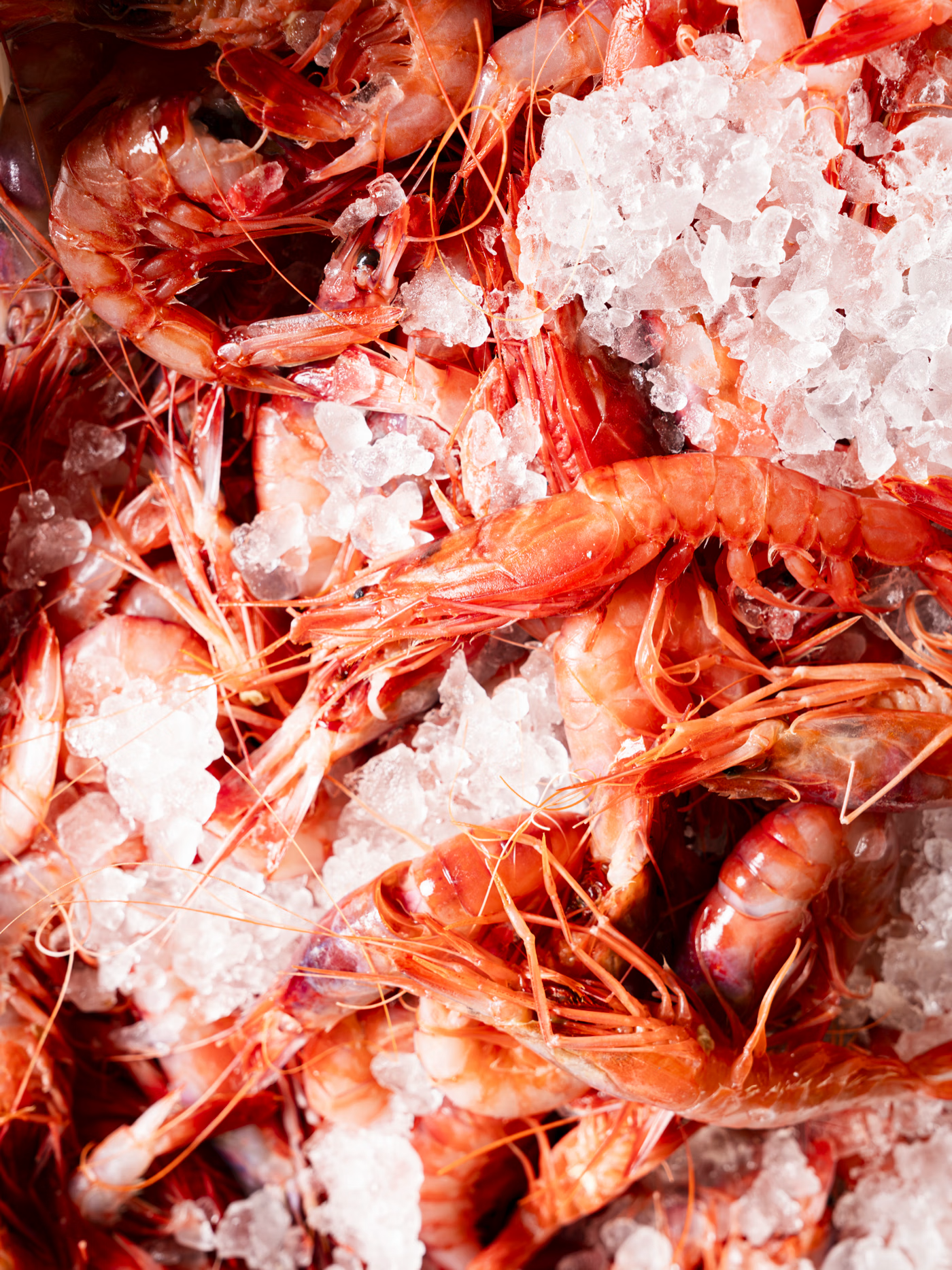
The seas around Trapani provide some of the finest raw ingredients in the Mediterranean. The undisputed king is the Mazara red prawn, sweet and intense; alongside it come the local Gulf prawn, red tuna tartare, swordfish carpaccio and langoustines. On our menu you will find marinated Gulf prawns, tuna tartare, oysters and a raw seafood tasting plate, designed for anyone who wants the full picture in one go.
Crudo and wine
Raw fish calls for fresh, savoury white wines without too much structure: a Grillo, a Catarratto, an Etna Bianco or a Sicilian traditional-method sparkling wine. The key is that the wine should not overpower the delicacy of the fish. Our wine list has several options chosen with this in mind.
Frequently asked questions
Is raw fish suitable during pregnancy? Generally not: medical advice usually recommends caution with raw fish and raw shellfish during pregnancy. It is best to ask your doctor and, at the restaurant, choose cooked dishes.
Do oysters need to be blast-frozen? Live bivalve molluscs such as oysters follow different rules: they must come from controlled production areas and be alive when eaten.
Does marinated mean cooked? No: marinating in citrus or vinegar changes the texture and colour of the fish, but it does not make it safe the way cooking does. Marinated fish must also be blast-frozen.
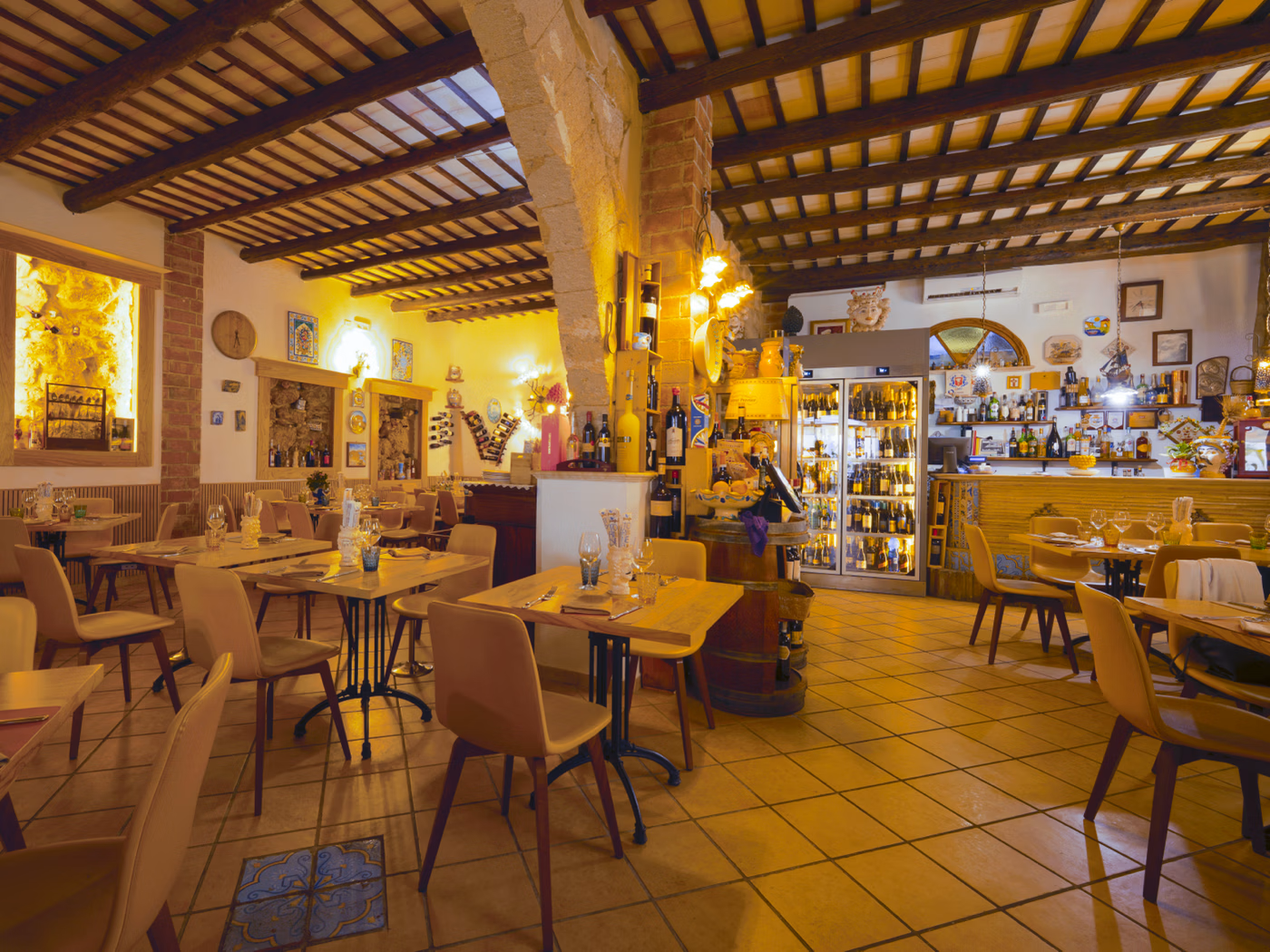
Crudo is the most honest way to eat fish: no tricks, no cooking to cover anything up. To taste the Gulf's own, we look forward to welcoming you in Castellammare del Golfo, at Via Fiume 10. Bookings on +39 0924 30409 or on WhatsApp at +39 393 9482 183.