
.svg)
Couscous in Sicily: history, tradition, and where to eat it
Arriving with the Arabs and staying forever: in the Trapani area, couscous is hand-rolled and paired with the catch of the gulf. The history and secrets of a dish that defines our identity.
Couscous in Sicily is neither an exotic trend nor an "ethnic" dish: it is home cooking. In Western Sicily—and in the Trapani area more than anywhere else—cùscusu has been prepared for generations for holidays and important Sundays. It is passed down from grandmother to grandchild and divides families over broths and toppings, as only dishes tied to one's identity can. In this guide, we tell you where it comes from, how it is traditionally prepared, why the Sicilian version is different from all others, and—since we cook it every day—where to taste it.
The origins: a gift from the Arab Mediterranean
Couscous originated in the Berber regions of North Africa and arrived in Sicily during the Arab occupation between the 9th and 11th centuries. However, it was the centuries of trade between the ports of Trapani and Tunisia that firmly rooted it on the island's western coast: generations of fishermen and sailors traveled to the other side of the Mediterranean, bringing back techniques, gestures, and flavors.
This is not a recent tradition. As early as the late 18th century, the great Sicilian folklorist Giuseppe Pitrè documented a Trapani wedding banquet where cùscusu was served, noting it as a legacy left by the Saracens; a century later, even Pellegrino Artusi included "cuscussù" in his famous cookbook. Today, the dish is a staple throughout the province of Trapani—from the city of Trapani to San Vito Lo Capo, from Castellammare del Golfo to the Egadi Islands, and as far as Mazara del Vallo—while a vegetable-only version survives on the island of Pantelleria.
The "incocciata": how cùscusu is born
True couscous is not bought; it is "incocciato." Remilled durum wheat semolina is worked by hand with lightly salted water inside a mafaradda, the traditional large terracotta bowl. Using a circular motion of the fingers, the semolina gradually clumps into tiny grains, which are then sifted and left to dry. It is a slow, almost meditative gesture that Trapani families have passed down forever.
Then comes the cooking: the grains are steamed in a terracotta couscous pot, sealed along the rim with a paste of water and flour to prevent steam from escaping. Finally, the step that makes all the difference: the "abbiviratura." The cooked couscous is moistened with boiling broth and left to rest covered, allowing each grain to swell while remaining fluffy and fragrant. It is no coincidence that when it is "cùscusu day" at home, preparations begin early in the morning to be ready for lunch.
The Sicilian difference: fish broth
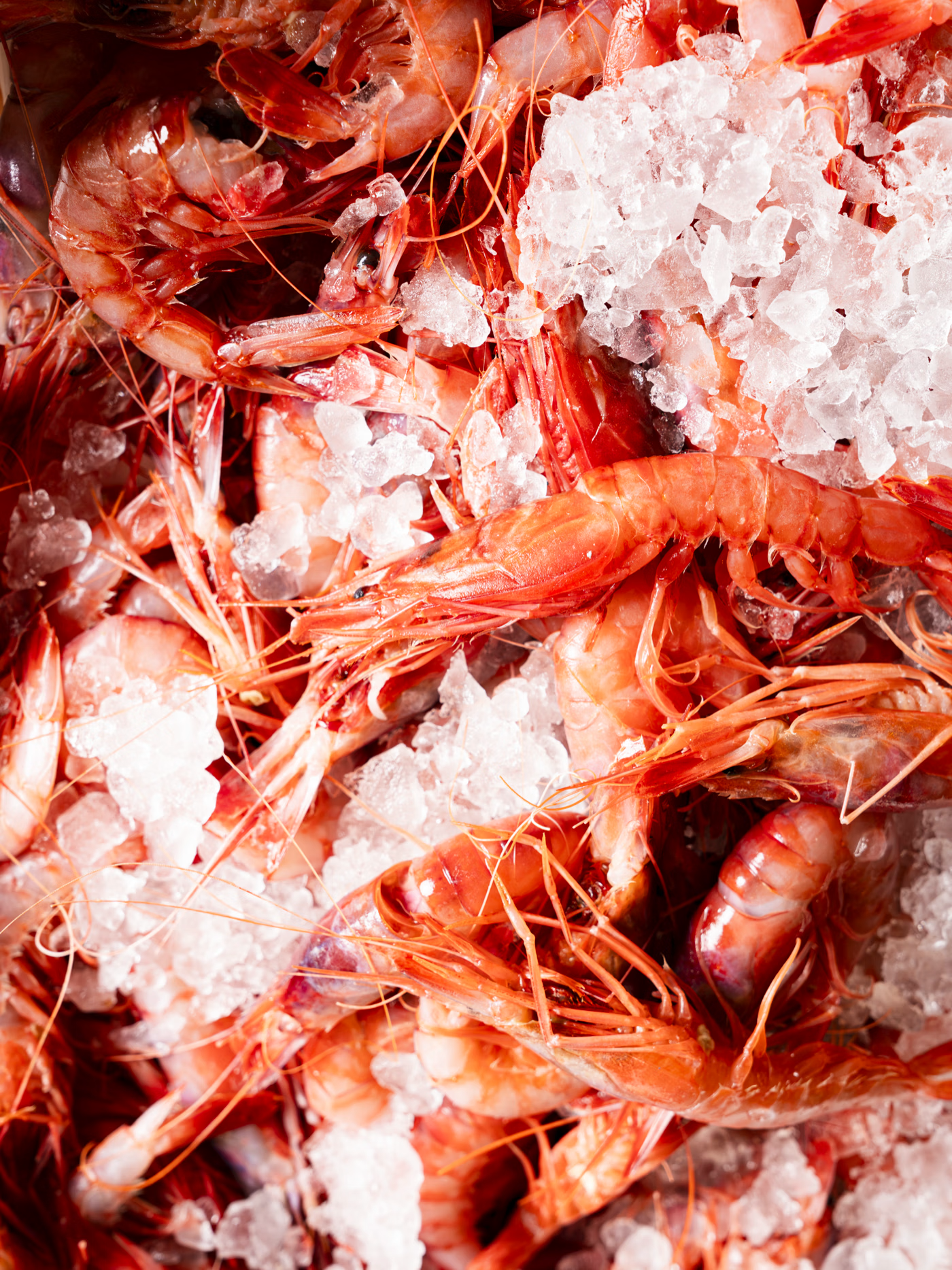
In the Maghreb, couscous is traditionally accompanied by mutton or lamb and vegetables. On the western coast of Sicily, for obvious reasons, the tradition took to the sea: Trapani-style cùscusu is served with a rich broth made from rockfish and soup fish, flavored with garlic, tomato, parsley, and bay leaf, and finished with almonds—the other great hallmark of Trapani cuisine.
The broth is the heart of everything: it is strained, used to moisten the grains, and brought to the table separately, piping hot, so that everyone can add it to their liking. Every family guards its own version, with small variations in fish, spices, and textures: this is also why tasting couscous in Sicily is never the same experience twice.
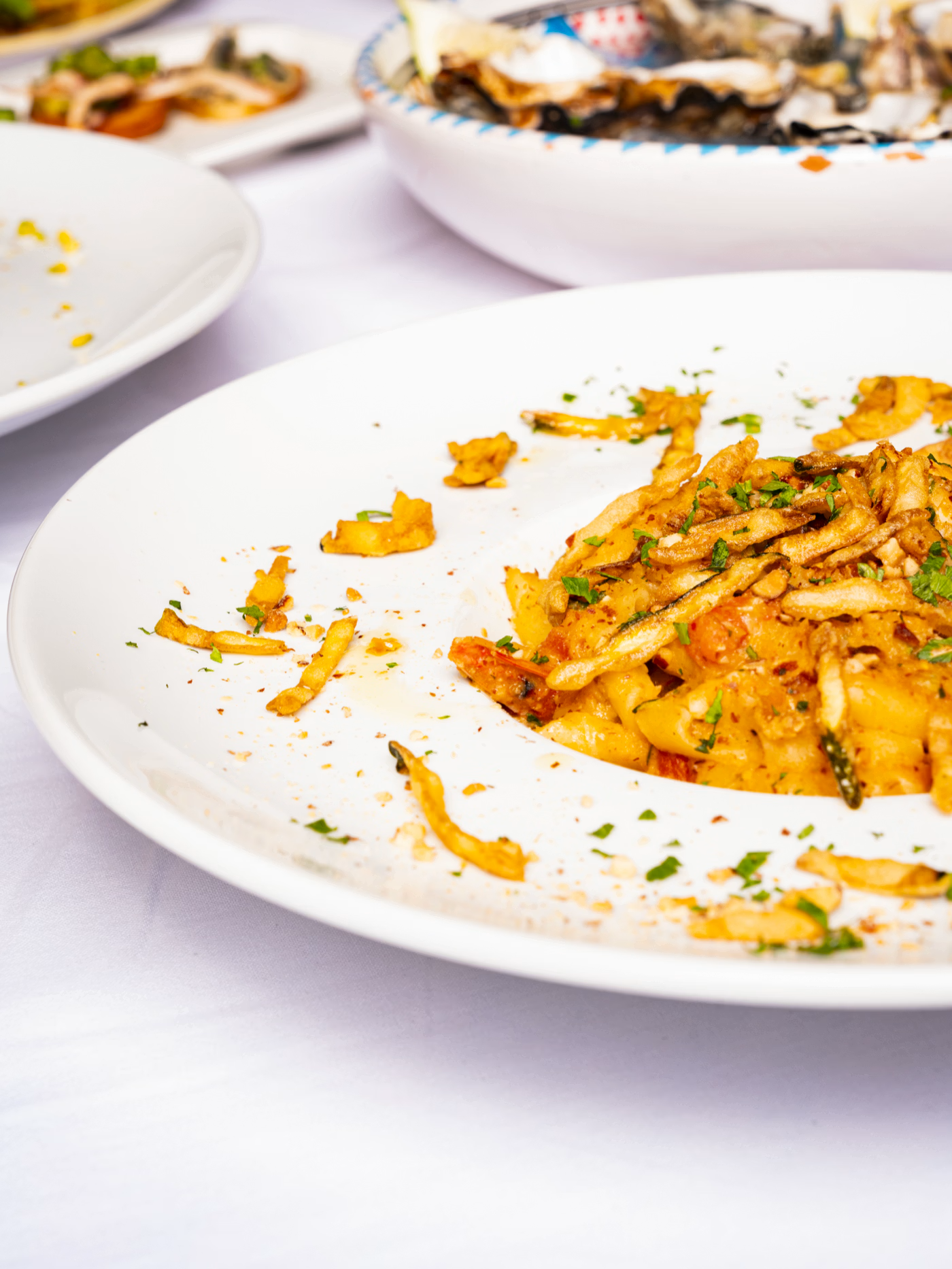
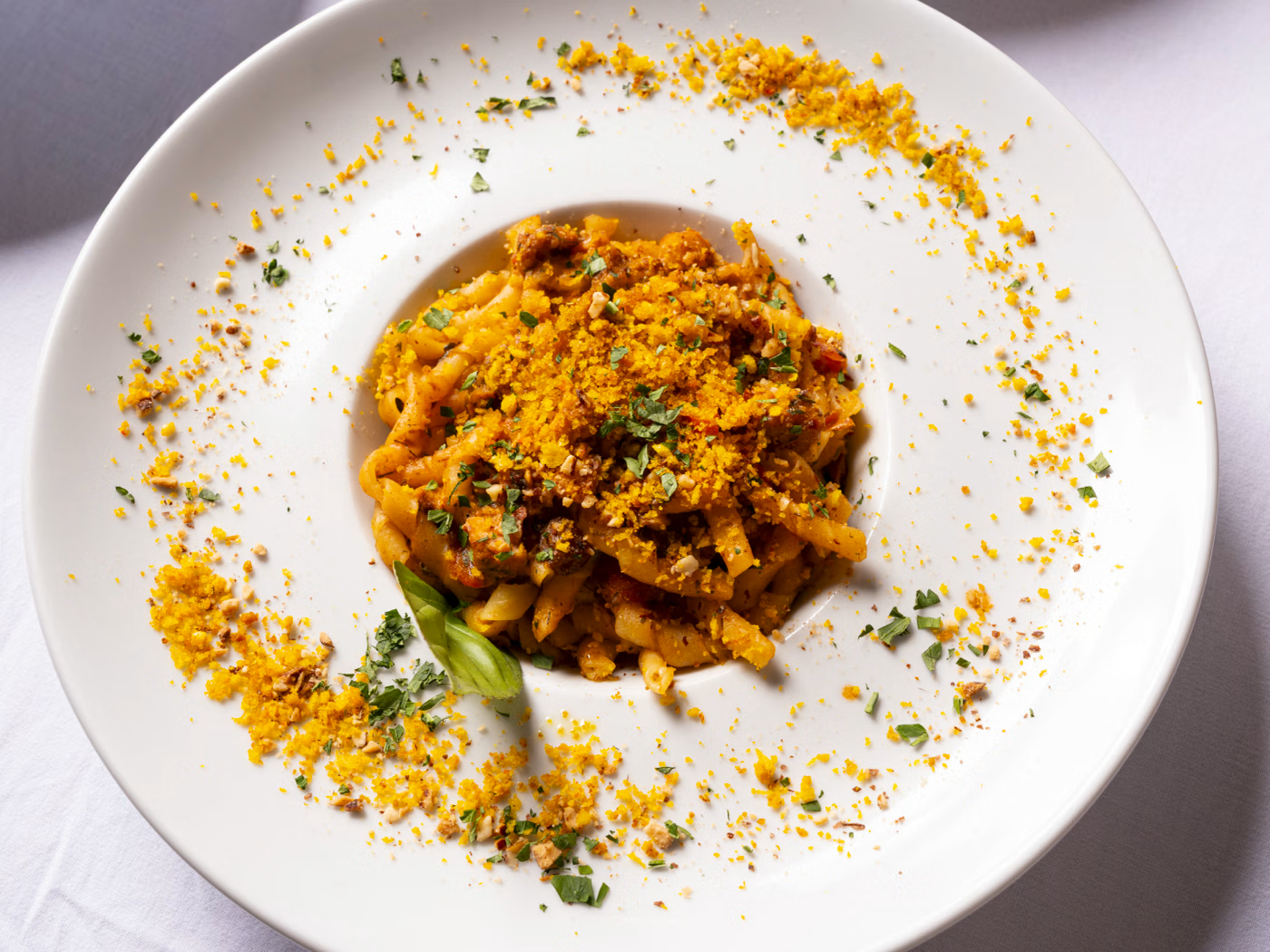
At Egesta Mare, we follow the path of tradition: our Trapani-style fish couscous with a cascade of almonds is prepared with the catch of the gulf and has always been one of the most beloved dishes on our menu.
San Vito Lo Capo and the Cous Cous Fest
If couscous has a symbolic capital, it is San Vito Lo Capo: since 1998, every September, the town has hosted the Cous Cous Fest, an international event where chefs from both sides of the Mediterranean—and beyond—compete and cook together. Over the years, the festival has transformed a humble dish, once known only in a corner of Western Sicily, into a symbol of cultural encounter.
For those visiting the area, the geography is an invitation: San Vito Lo Capo and Castellammare del Golfo overlook the same stretch of coast, on either side of the Zingaro Nature Reserve. A natural culinary itinerary to be enjoyed in any season.
Where to eat couscous in Sicily
In the Trapani area, you can find couscous almost everywhere, but not all cùscusu are created equal. The signs to look for are always the same: a real fish broth, prepared with the catch of the day rather than shortcuts; almonds; the broth served on the side; and a menu that respects the seasonality of the sea.
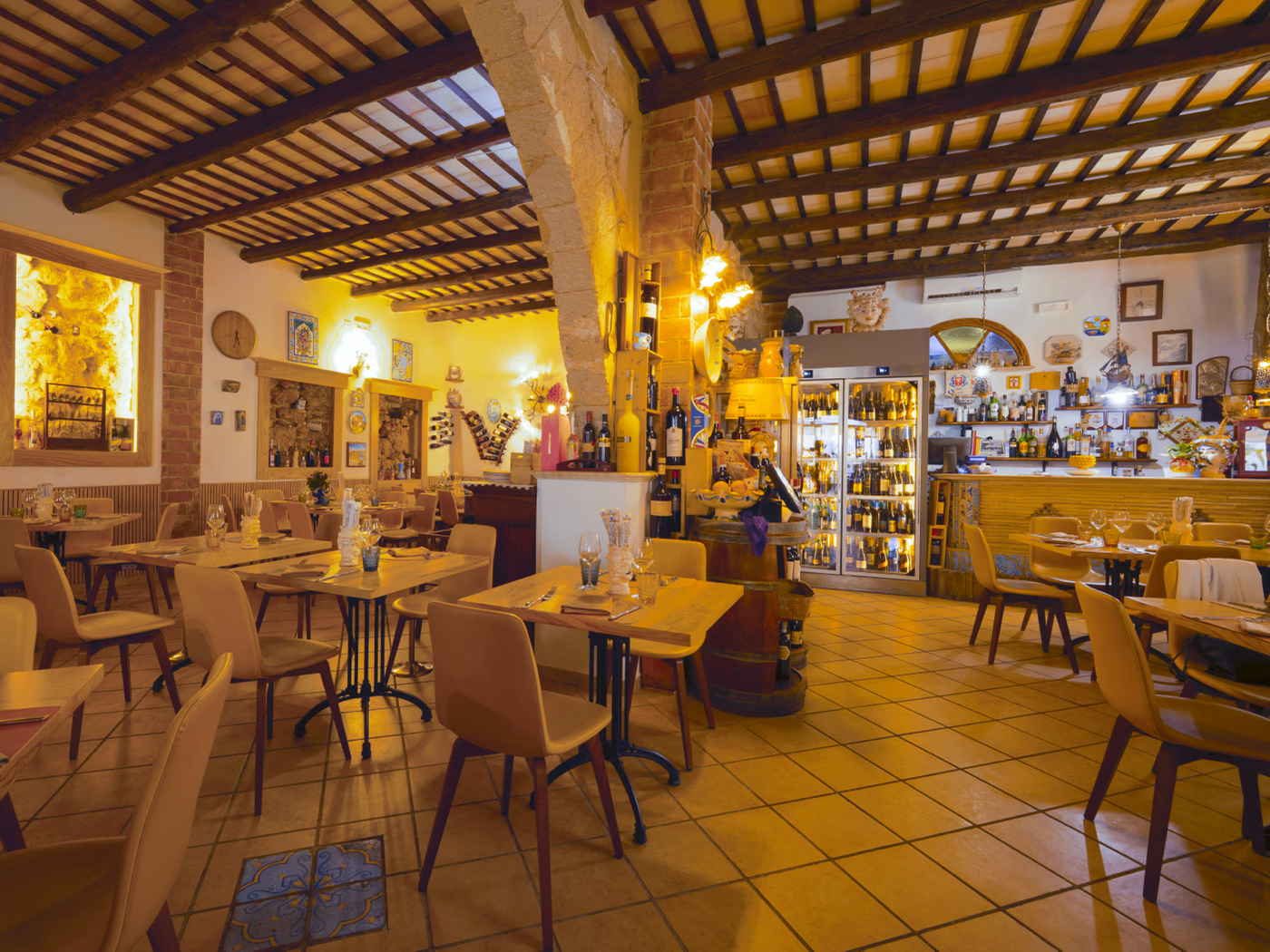
If you are passing through Castellammare del Golfo, we look forward to seeing you at Egesta Mare, located in the historic center among the tuff arches of a former 1870 monastery: here, Trapani-style couscous coexists with raw seafood, busiate pasta, and the catch of the day. And if you are still planning your trip, you might find our guide useful on where and what to eat in Castellammare del Golfo.
Frequently Asked Questions
What is the difference between Sicilian and North African couscous?The seasoning: in the Maghreb, meat and vegetables prevail, while in Western Sicily, couscous is served with fish broth and fish meat. The steaming process of the semolina grains, however, remains common to both.
Where did Trapani-style couscous originate?In the province of Trapani, where centuries of trade between Sicilian and North African ports transformed a dish brought by the Arabs into a local fish-based tradition.
When is the Cous Cous Fest held?Every year in September in San Vito Lo Capo, since 1998: it is an international festival featuring chef competitions, tastings, and concerts.
What wine pairs well with fish couscous?Dry and aromatic Sicilian whites—a Grillo, a Catarratto, or a dry Zibibbo. In our wine list you will find a selection dedicated specifically to labels from the island.
Couscous tells the story of Sicily better than many books: a dish that arrived from the sea, stayed on the island, and became home. If you want to taste it as tradition dictates in Trapani, book your table at Egesta Mare by calling +39 0924 30409 or via WhatsApp at +39 333 683 2208 — and let the broth do the rest.