
.svg)
Typical restaurants in Trapani and the surrounding province: a guide to Trapanese cuisine
Couscous, busiate, tuna, and almonds: Trapanese cuisine is a language with its own rules. Here are the dishes that define it—and where to speak it fluently.
Looking for a traditional restaurant in Trapani means, first and foremost, knowing what to look for on your plate. Because Trapanese cuisine isn't just a generic label: it's a precise language with its own grammar—durum wheat, almonds, salt from the salt pans, the catch of the day—and a vocabulary of dishes that has remained identical for generations, from the city of Trapani to the furthest village in the province. In this guide, we’ll walk you through it dish by dish, tell you how to recognize a truly traditional restaurant, and, with our usual honesty, tell you where to find us: not in the capital, but in the same province and within the same tradition, in Castellammare del Golfo.
A cuisine born from three worlds
Traditional Trapanese cuisine is the child of a unique intersection. There is the Arab world, which left behind couscous, sweet-and-sour flavors, and a reverence for almonds; there is the sea, with the historic tuna fisheries along the coast—from Favignana to Bonagia to Scopello—and the fishing ports that have always supplied our kitchens; and there is the durum wheat countryside, which gave the province its signature pasta, busiata, hand-rolled around a metal rod. Add sea salt from the salt pans, olive oil, tomatoes, and basil, and you have the pantry from which everything else is written.
The dishes that define Trapanese cuisine
Fish couscous. The province's signature dish: semolina hand-rolled into tiny grains, steamed, and moistened with fish broth. If you want to understand the history behind it, we have written about the history of couscous in Sicily in a dedicated article; if you just want to eat it, we serve it the Trapanese way, with a cascade of almonds.
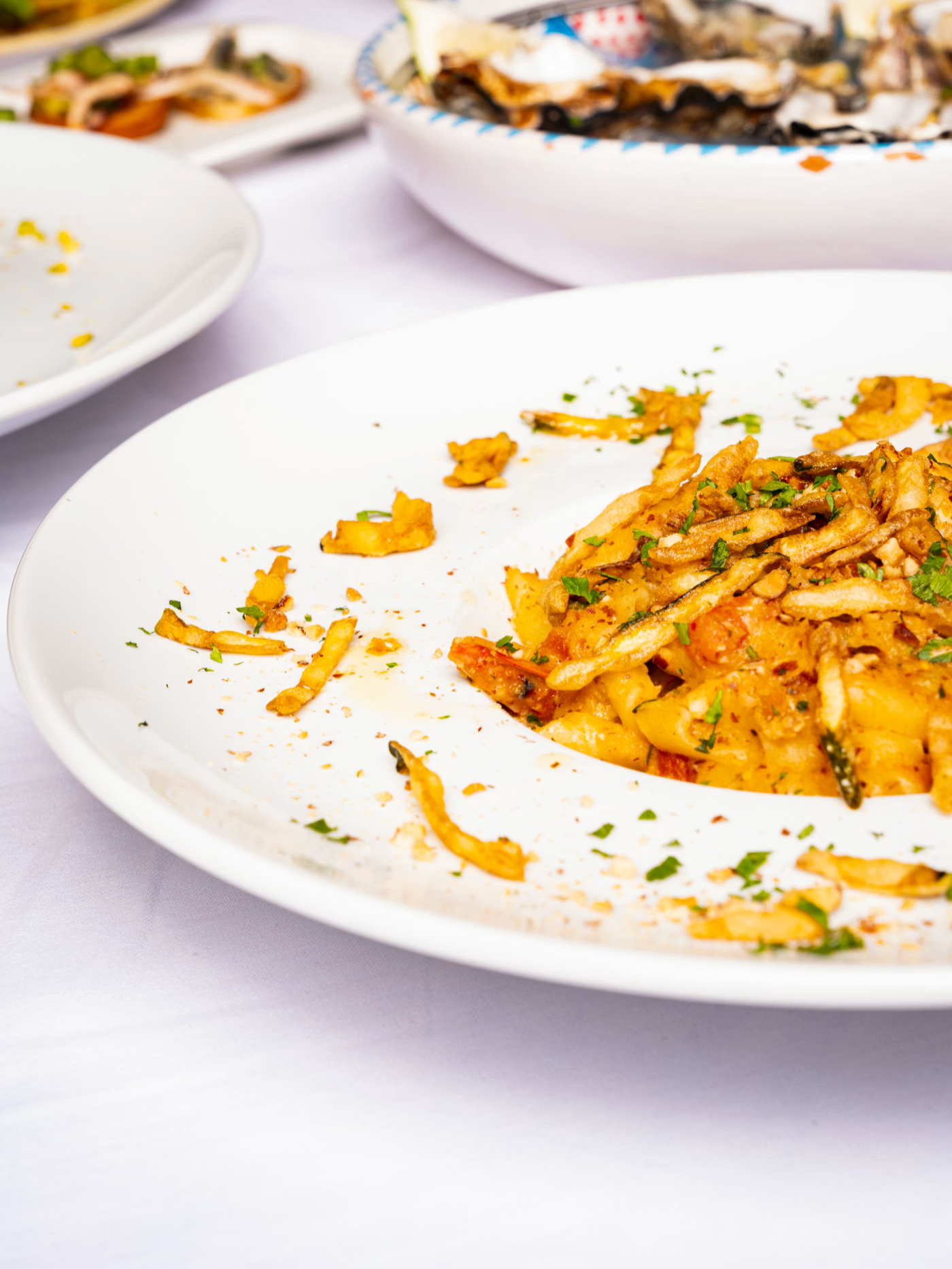
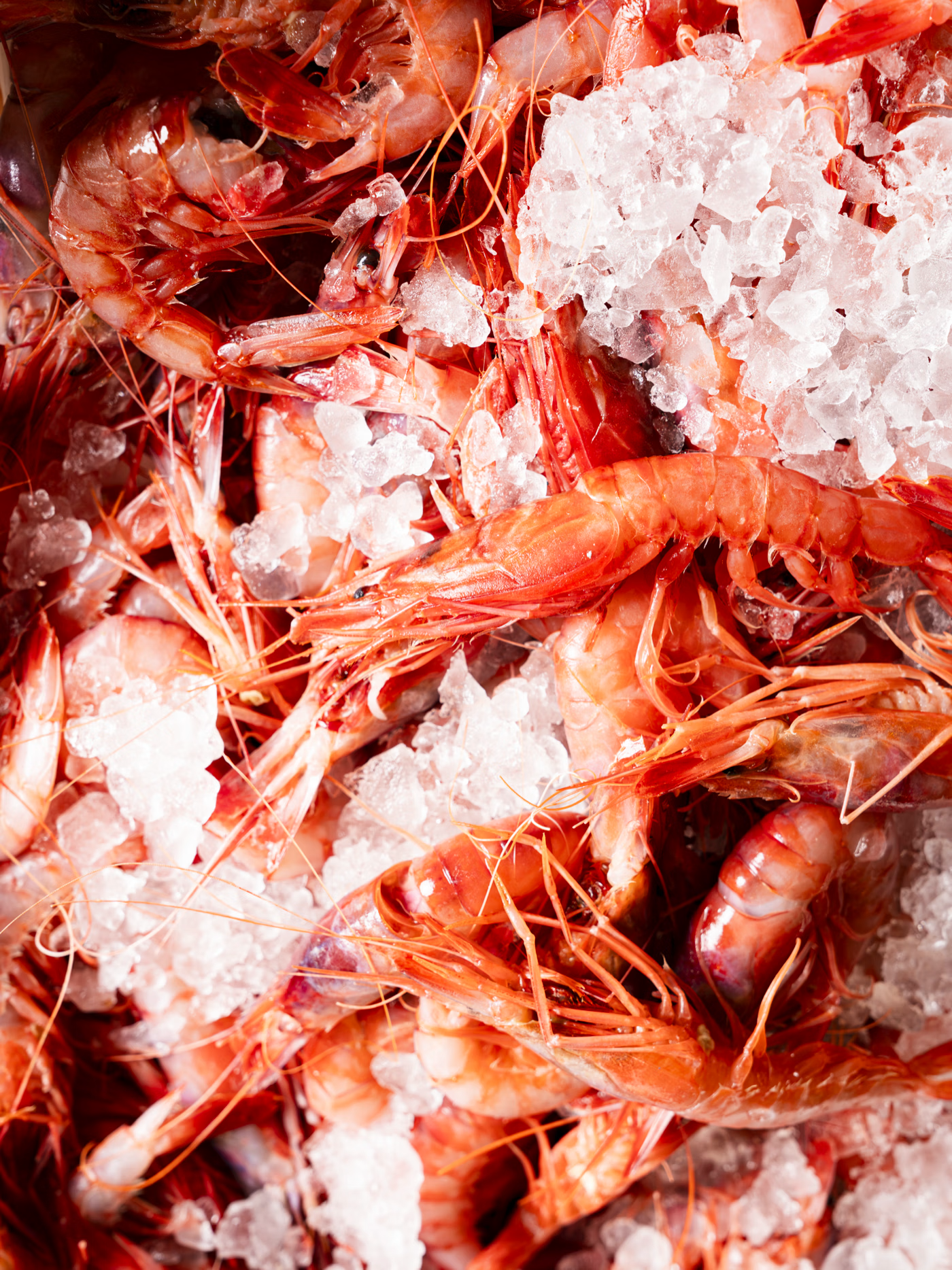
Busiate with Trapanese pesto. The other pillar: fresh tomatoes, almonds, garlic, and basil crushed together for the condiment we simply call "pesto" here—with no hard feelings toward the Genoese version. On our menu busiate take on many forms: with Trapanese pesto, almonds, and eggplant; with swordfish and shrimp; or with Gulf shrimp and sea urchin.
Sarde a beccafico (stuffed sardines). A humble dish turned noble: sardines rolled around a sweet-and-savory breadcrumb filling, finished with a signature touch of sweet-and-sour. We serve it as a sardine "cannolo" with onions and a balsamic vinegar reduction.
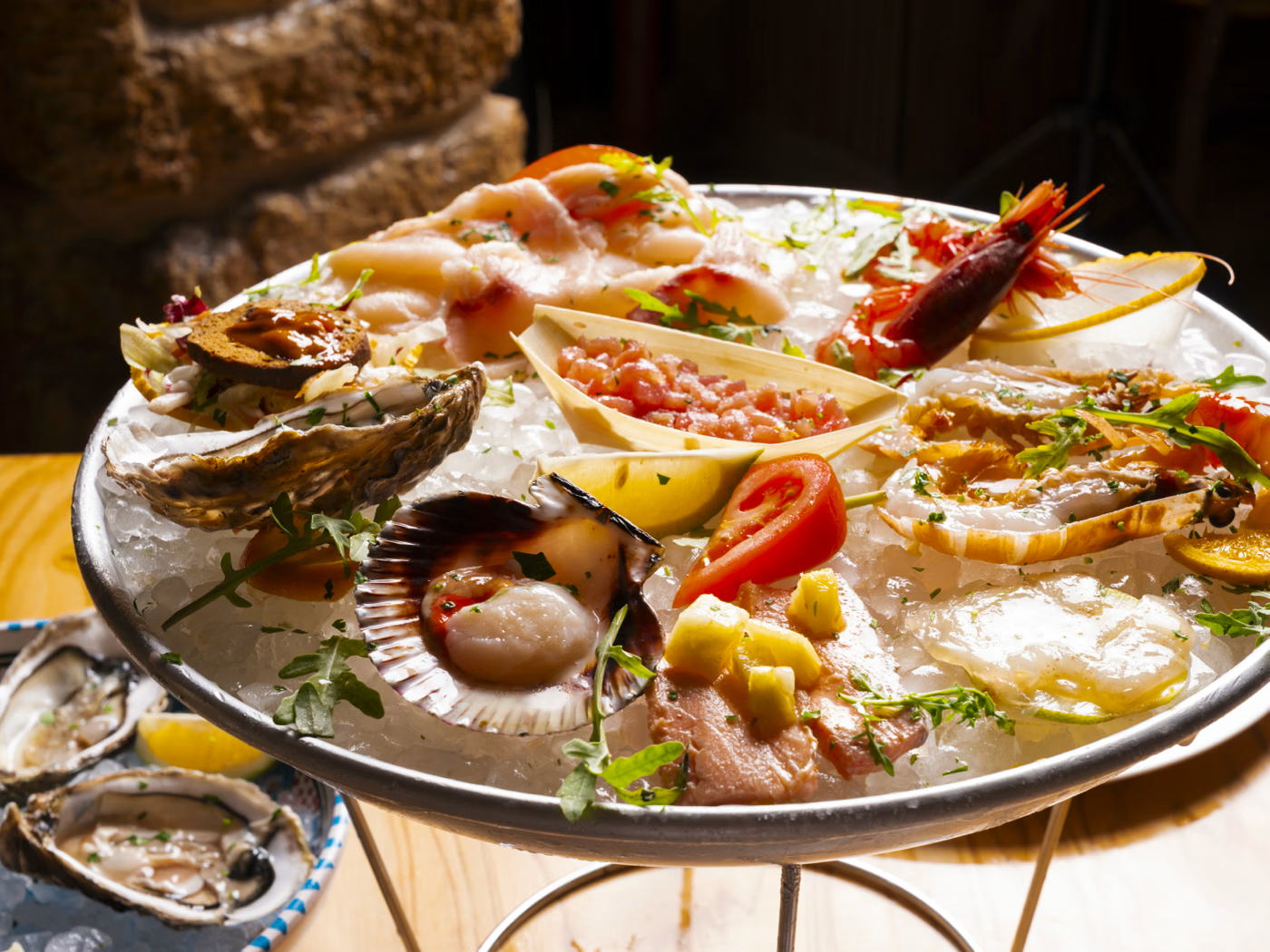
Tuna and swordfish. The memory of the tuna fisheries lives on in our main courses: tuna in sweet-and-sour sauce with onions, seared tuna steak, and swordfish rolls. Dishes that tell the story of a coast where large fish have always been a staple.
Caponata and the "mountains." Trapani's culinary tradition isn't just about the sea: the local eggplant caponata, along with regional vegetables, cheeses, and cured meats, makes up the rustic side of our repertoire—what we call the "mountain" dishes in our home menus.
Almond and ricotta desserts. The finale is non-negotiable: cannolo, cassata, almond parfait. Almonds again: in the Trapani area, they aren't just an ingredient; they are a signature.
How to spot an authentic restaurant (wherever you are in the province)
The test is simple: the menu should read like a map of the region. Look for busiate and couscous by name, the catch of the day, sweet-and-sour flavors, almonds, and a wine list where Sicily—and the many wineries in the province, from Marsala to Erice—takes center stage. If the menu could be photocopied in any city in Italy, it isn't authentic.
Where to find us: same province, same cuisine
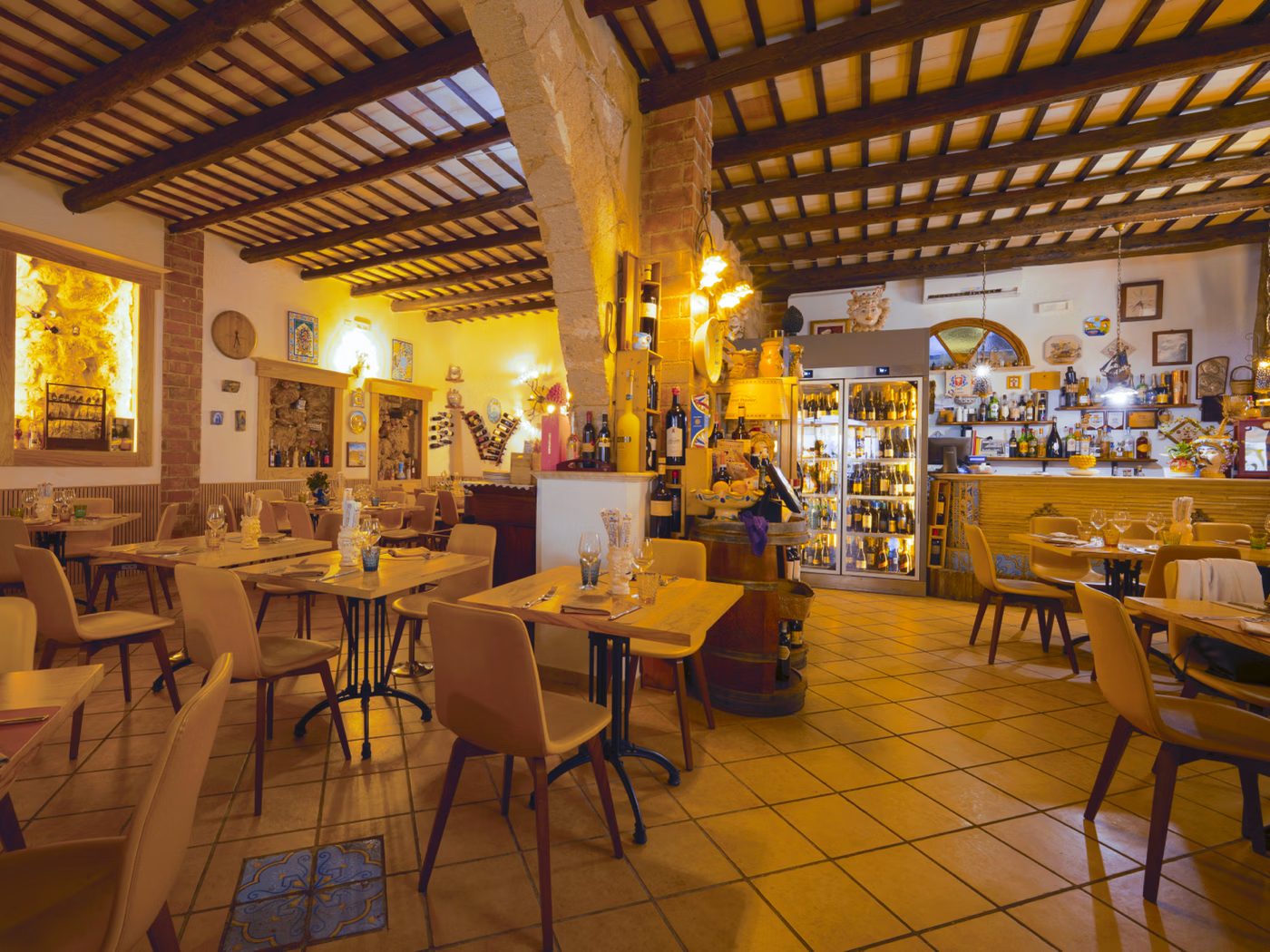
We’ll be honest as always: Egesta Mare is not in the city of Trapani, but in Castellammare del Golfo—about forty minutes east of the provincial capital, in the heart of the same province, by the same sea, and serving the same cuisine. Since 2007, chef-owner Salvatore Lombardo has been bringing the Trapani repertoire to the table inside a former 1870s monastery in the historic center of the town: couscous, busiate, beccafico, tuna, and almonds. If your trip takes you to the gulf, the Zingaro Reserve, or Segesta, authentic Trapani cuisine awaits you here.
Frequently asked questions
What are the typical dishes of Trapani and its province?Above all: fish couscous, busiate with Trapani-style pesto, sarde a beccafico, sweet-and-sour tuna, and almond and ricotta desserts like cannolo and cassata.
Does Trapani-style pesto contain fish?No: it is a condiment made of fresh tomatoes, almonds, garlic, and basil. Fish, if anything, is served alongside it—as in busiate with shrimp or swordfish.
What makes a restaurant in the Trapani area "authentic"?Loyalty to the province's repertoire and its raw ingredients: traditional dishes called by their proper names, fresh catch of the day, almonds, sweet-and-sour preparations, and local wines on the menu.
Is Egesta Mare in Trapani?No: we are in Castellammare del Golfo, in the province of Trapani, about forty minutes from the capital. If you are staying near the gulf, Scopello, Segesta, or the Zingaro Reserve, we are the most convenient authentic restaurant.
There is only one way to learn about Trapani's cuisine: at the table. Book a table at Egesta Mare by calling +39 0924 30409 or via WhatsApp at +39 333 683 2208, and start your lesson with the couscous.